




More government funding is needed to address child poverty in Saskatchewan.
That is the foundation of a 2019 report co-authored by an Associate Professor of Social Work at the University of Regina.
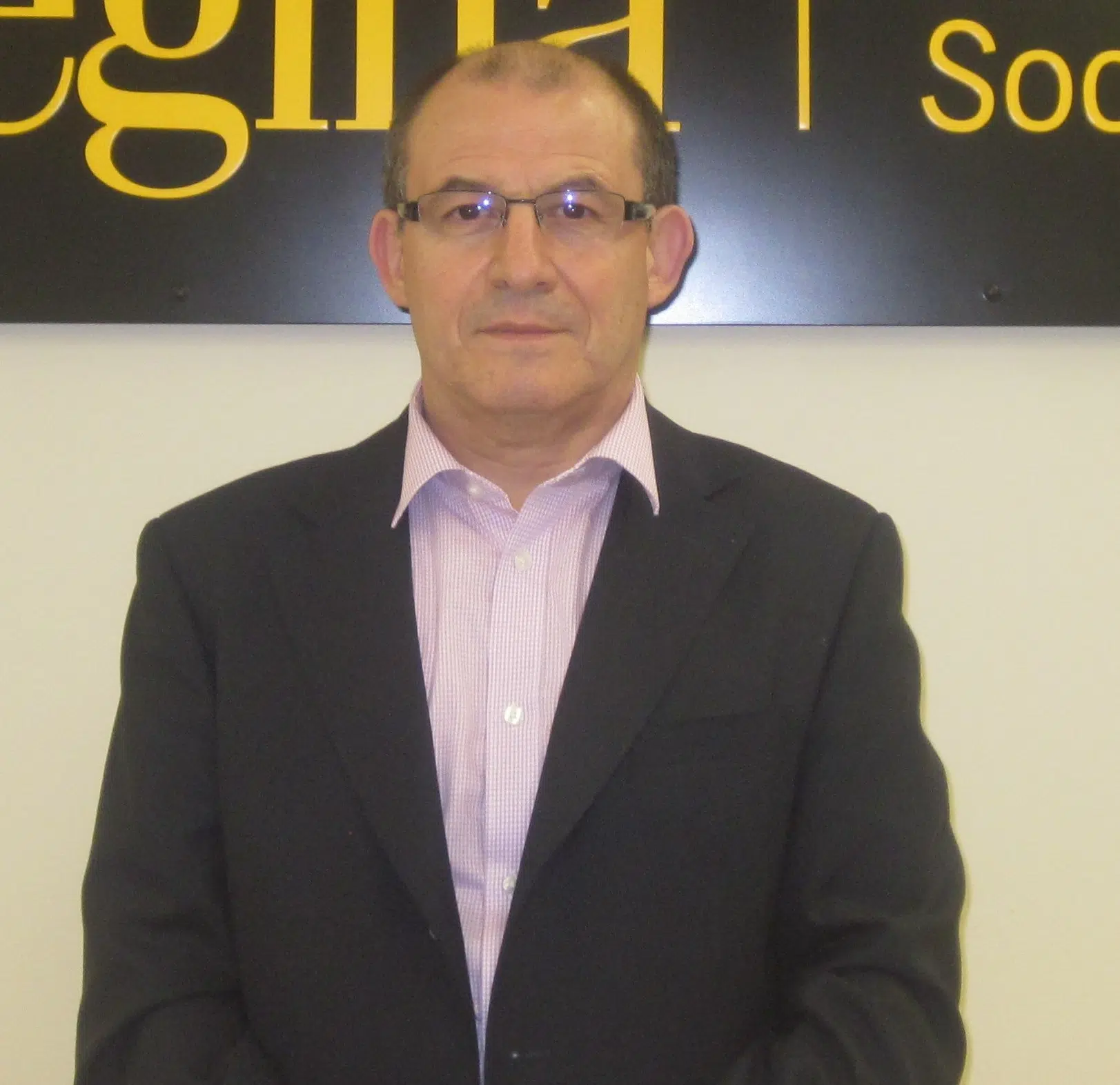
Miguel Sanchez says one of the reason’s child poverty in the province is the third highest in the country is the Saskatchewan government didn’t put enough money aside during a ten-year period of exceptionally strong economic growth.
Sanchez points out without the money the province has allocated for social programming the current child poverty rate of 26-percent would be closer to 38.
In today’s fourth part of CJWW’s five-part series examining the report’s findings, Sanchez looks at how taxation reform could help address the problem.
The report reveals just over 60-percent of the province’s employment income is earned by people making over 100-thousand dollars a year who can afford to shelter a great deal from taxation.
The group making over 200-thousand are in a 47.75-percent tax bracket, but are only paying tax on just under 27-percent.
Sanchez says this puts a disproportionate tax burden on low income earners who have trouble making ends meet and don’t provide nearly enough tax revenue to governments for social programs.
He feels a more equitable system would allow those struggling to make ends meet to keep more disposable income and give governments more money to address child poverty.
Sanchez stresses the majority of children living in poverty have parents that work and should get assistance.
Tomorrow’s final part looks at what would happen if the system remains unchanged.