




The World Health Organization is raising the risk assessment of COVID-19 to “very high” at the global level.
Director-General Tedros Adhanom Ghebreyesus says there are now 43-hundred and 51 cases of the new coronavirus in 49 countries.
“What we see at the moment are linked epidemics of COVID-19 in several countries, but most cases can still be traced to known contacts or clusters of cases. We do not see evidence as yet that the virus is spreading freely in communities.”
The Director General says as long as that’s the case, we still have a chance of containing the virus.
There are now 14 confirmed cases of Covid-19 in BC and Ontario. and one possible case in Quebec.
The WHO says in the past 24 hours, China reported 329 cases – the lowest in more than a month. As of 6am Geneva time this morning, China has reported a total of 78,959 cases of COVID-19 to WHO, including 2791 deaths.
Dr. Ghebreyesus also indicates that since yesterday, Denmark, Estonia, Lithuania, Netherlands and Nigeria have all reported their first cases. All these cases have links to Italy.
“The key to containing this virus is to break the chains of transmission.”
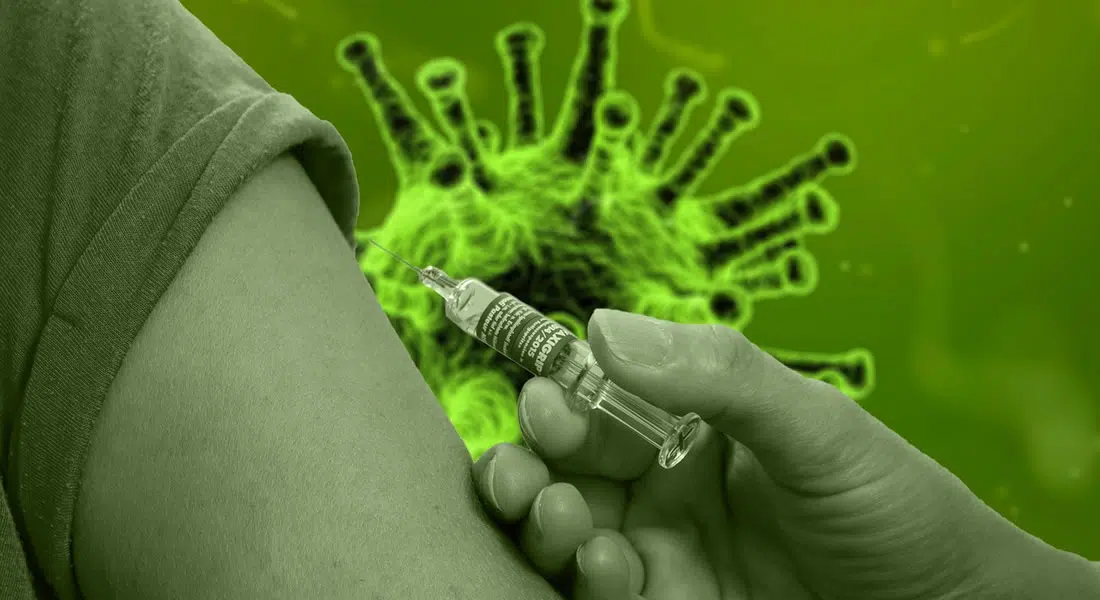
The WHO reports that more than 20 vaccines are in development globally, and several therapeutics are in clinical trials. The first results are expected in a few weeks.
Aside from waiting for a vaccine, the WHO outlines the basic things everyone should know:
– Clean your hands regularly with an alcohol-based hand rub, or wash them with soap and water.
-Touching your face after touching contaminated surfaces or sick people is one of the ways the virus can be transmitted. By cleaning your hands, you can reduce your risk.
– Clean surfaces regularly with disinfectant – for example kitchen benches and work desks.
Educate yourself about COVID-19. Make sure your information comes from reliable sources – your local or national public health agency, the WHO website, or your local health professional. Everyone should know the symptoms – for most people, it starts with a fever and a dry cough, not a runny nose. Most people will have mild disease and get better without needing any special care.
– Avoid traveling if you have a fever or cough, and if you become sick while on a flight, inform the crew immediately. Once you get home, make contact with a health professional and tell them about where you have been.
– If you cough or sneeze, do it into your sleeve, or use a tissue. Dispose of the tissue immediately into a closed rubbish bin, and then clean your hands.
– If you are over 60 years old, or if you have an underlying condition like cardiovascular disease, a respiratory condition or diabetes, you have a higher risk of developing severe disease. You may wish to take extra precautions to avoid crowded areas, or places where you might interact with people who are sick.
– For everyone, if you feel unwell, stay at home and call your doctor or local health professional. He or she will ask some questions about your symptoms, where you have been and who you have had contact with. This will help to make sure you get the right advice, are directed to the right health facility, and will prevent you from infecting others.
– If you are sick, stay at home, and eat and sleep separately from your family, use different utensils and cutlery to eat.
– If you develop shortness of breath, call your doctor and seek care immediately.
– It is normal and understandable to feel anxious, especially if you live in a country or community that has been affected. Find out what you can do in your community. Discuss how to stay safe with your workplace, school or place of worship.