




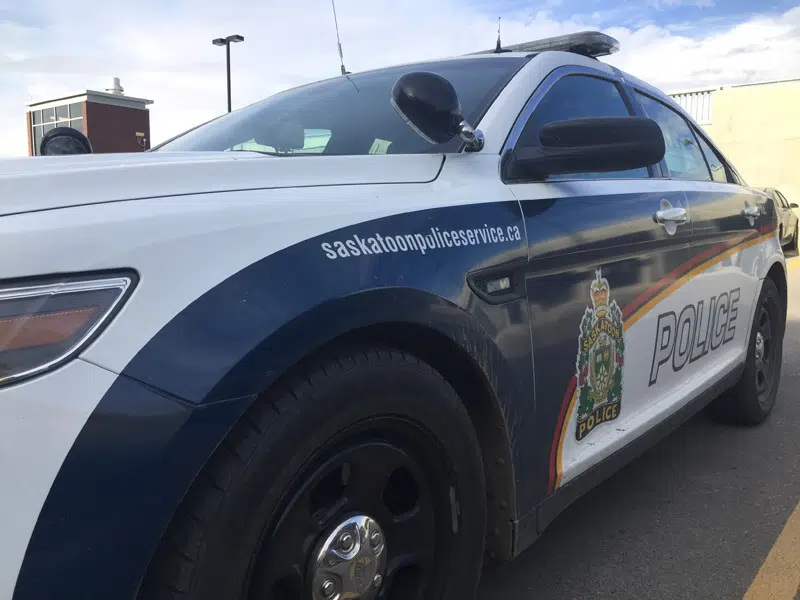
There will be a rundown of reports to the Saskatoon Board of Police Commissioners on Thursday, including where things are at with body cameras, whether there has been any headway in reducing the number of missing persons incidents and a look at community safety.
Saskatoon Police Chief Troy Cooper was asked last summer to report on strategies and options for reversing the trend of Police taking on more calls that are non-criminal in nature.
The report suggests there is a shared responsibility for community safety and police cannot be the ultimate solution to all community safety-related issues.
In 2020, the Police Service responded to over 117,000 calls for service, but only 10.4 per cent were criminal occurrences.
Over a quarter of the calls were for things like public intoxication, missing persons, disturbances, domestic situations, mental health and attempted suicides.
The annual missing persons report indicates there were fewer missing persons investigations in 2020 compared to 2019.
In total, there were 3,265 missing persons reports in 2019 and 2,683 in 2020, which is an almost 18 per cent reduction.
The report from Detective/Sergeant Tyson Lavallee of the Missing Person Task Force says 76 per cent of the reports were for youth between ten and eighteen, and female youth continue to be reported missing more often than any other age or gender category.
The top 20 most common addresses for the reports account for over half of the calls and all 20 are government and private care facilities.
The Police Service has a number of proactive initiatives to prevent the need for people to feel the need to run away, including the collaboration with community organizations that provide essential care, for instance The Salvation Army, EGadz, and the Saskatoon Tribal Council among others.
One example is Operation Runaway, initiated by EGadz.
It’s an interagency team approach to identify the root causes for why youth are running away, and supporting them so they don’t have to.
The Missing Persons Unit attended weekly meetings with runaway youth through this program for the first two months of last year, but then the pandemic hit and it wasn’t until the fall that meetings began again virtually.