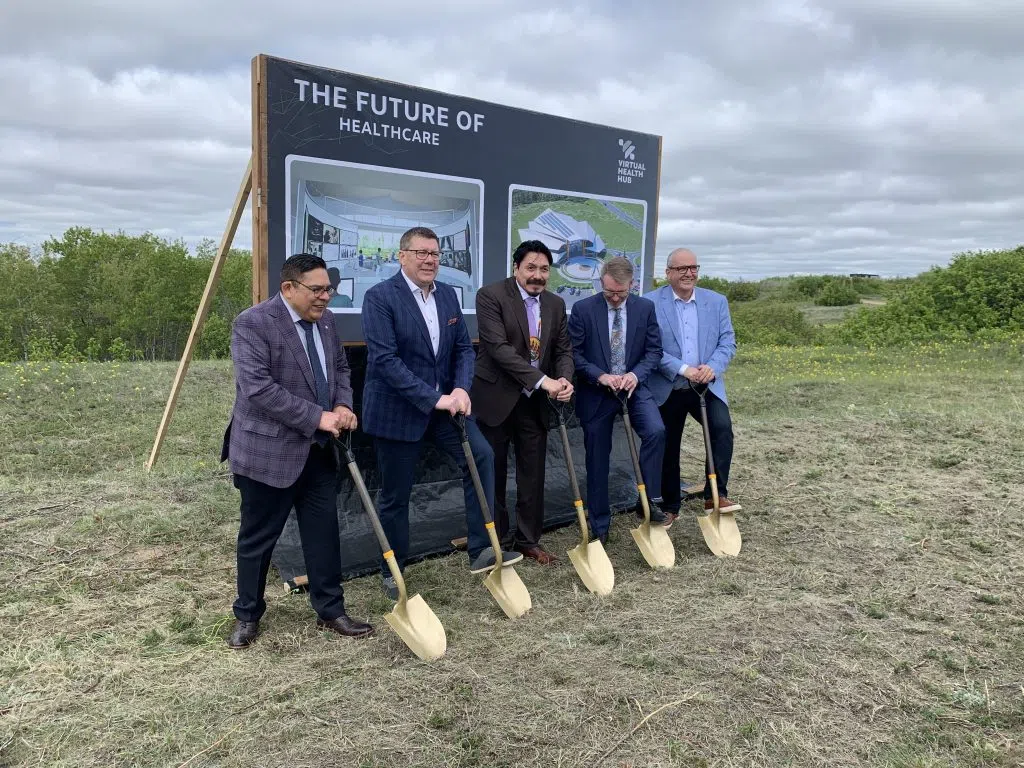




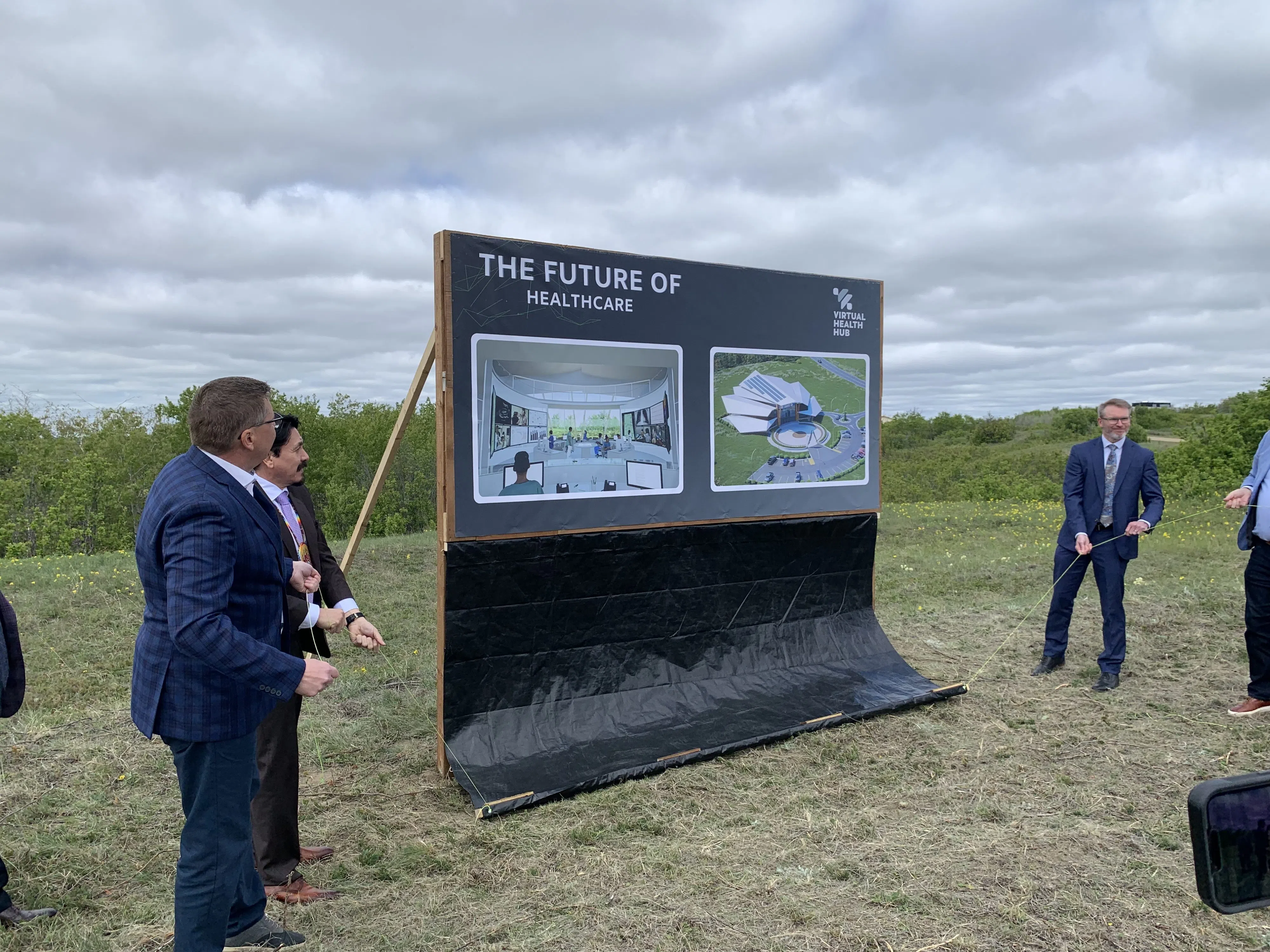
Ninety rural, remote, and Indigenous communities across Saskatchewan are set to benefit from a Virtual Health Hub, a first of its kind in Canada.
Director of the future hub, Dr. Ivar Mendez, says remote communities often don’t have a local physician or access to larger medical centres, so this initiative will provide fast, easy access to health care to those who need it most.
“We have developed a selection tool that is objective that will allow us to determine what are the needs of the community, what type of facilities they have, what is their connectivity, and then prioritize the communities according to their needs.”
Once selected, those 90 communities will be given technologies that will best serve their needs, such as X-rays, retinal scanners, and remote ECGs. All machines will have the ability to report back to a physician at the headquarters on the Whitecap Dakota First Nation south of Saskatoon.
He adds that this initiative will also mitigate the overcrowding issues seen in emergency rooms and hospitals around the province.
Mendez explains how the virtual hub will operate, using a pregnant woman needing an ultrasound as an example.
“We already have deployed a robotic ultrasound arm, where the technician is in Saskatoon, and is able to move that arm using telecommunications technology, and perform a prenatal ultrasound in their own community with their own family instead of actually having to come to the city.”
He adds that the initiative will be Indigenous-led, training students from the Saskatchewan Indian Institute of Technologies.
“We will be training through SIIT. The healthcare workers will be using these technologies in their own communities. They will be able to be part they’ll be part of a team where experts in the Hub will be taking care of that patient in the remote community,” he explains.
“Most underserved populations in terms of healthcare access are Indigenous communities. They are communities that do not have access to healthcare. My philosophy, and the philosophy of the whole team, has been ‘How do we use state-of-the-art technology for people who have the least and need the most?’”
Two thirds of the funding will come from the federal level, with the remaining $9 million being provided by the province. The facility is slated to open in 2026.