




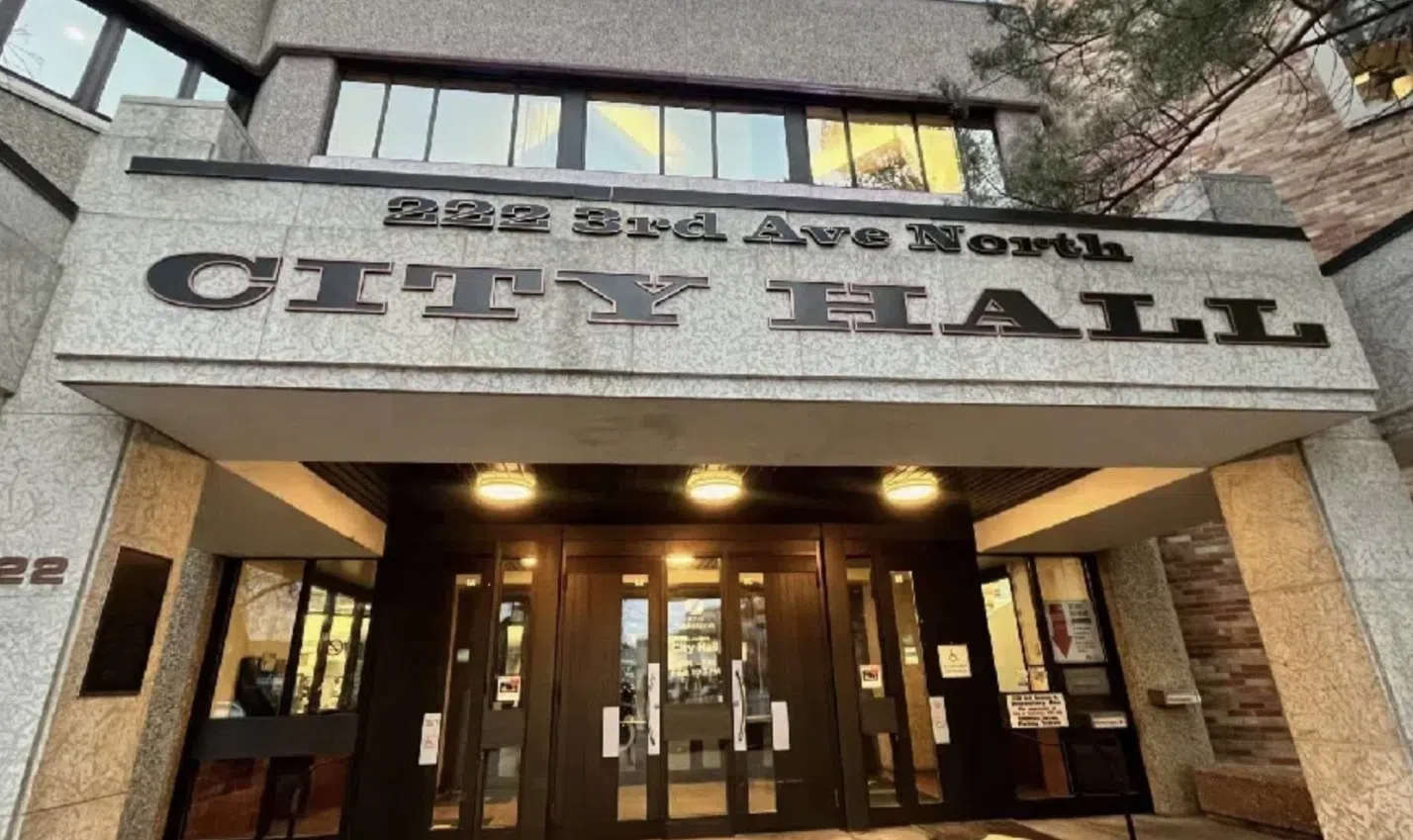
City Council will be asked to approve a location to establish a long-term warming and cooling centre at Wednesday’s meeting.
Administration has identified a 5,490 square foot building at 325 Avenue C South, between the Salvation Army and Beehive Flooring, as an optimal location to purchase and operate a drop-in centre. The plot would cost the City about $805,000, but funding from the federal government’s Unsheltered Homelessness and Encampments Initiative would be used to make the purchase, as well as account for any additional repairs.
Per the Government of Canada’s funding rules, the building would need to be maintained for this purpose for five years from the end date of the agreement, which is March 31, 2026. The Government of Saskatchewan will fund a service provider to operate the property. If approved by Council, the City would work with a 3rd party property manager to undertake the required renovations to make the space usable for the intended purpose.
On a similar note, the City of Saskatoon is exploring the possibility of establishing a Central Navigation Hub, which would assist vulnerable people with finding the resources and services they need to get back on their feet. Also during Wednesday’s meeting, City Councilors will decide whether to direct administration to report back on the logistics of a project such as this.
This process would be a significant undertaking for city staff, as if told to do so, administration would need to look into land options for a hub site, present options for both traditional and modular construction, including timelines and cost estimates, develop funding and operating models, and include recommendations for temporary measures that could be implemented while the permanent hub is being developed.
In administration’s recent feasibility study, it determined that there are two potential areas may warrant consideration to locate a centralized navigation hub; the corridor which extends from Downtown to St. Paul’s Hospital, with the north-south boundaries of 22nd and 19th Street; and a corridor on the east side of the river where there are no services available.
City Council will also be presented with and asked to vote on a new agreement framework between City Administration and OVG360, the company selected to operate the future Downtown Event and Entertainment District.
An agreement framework had been presented last April, and agreed upon by last July, but following a pause in negotiations due to a tumultuous trade environment, OVG has since come back with several changes they wished to see included in the framework.
Director of Technical Services Dan Willems says these changes include a new operating term of 15 years with a 15-year optional extension, down from 20 years; an upfront capital contribution from OVG of $15 million, down from $20 million; OVG assumes full responsibility for any net operating losses; and a link between operator compensation and higher overall profits.
“The protection from operating losses is a big one for us, and the massive swing of the incentive fees towards our favour over the higher performing ranges will result in greater revenues for our city,” he explained.
The total net cash flow to the city over the 30-year term, plus the upfront contribution, is expected to be $250 million. That’s up from the previous projected net cash flow of $170 million, but still only one quarter of the forecasted $1.2 billion total cost of the project.