



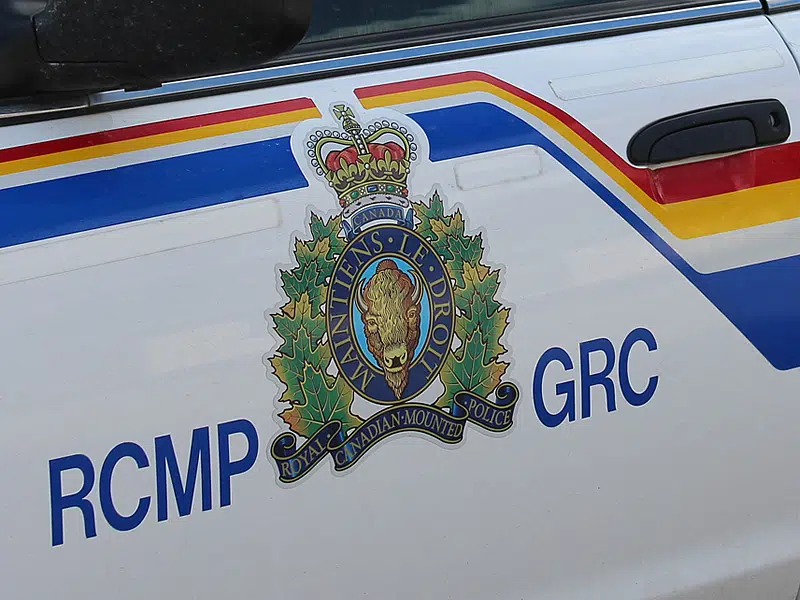
The Saskatchewan RCMP says officers have responded to several sudden deaths suspected to be overdoses in the past few weeks. That’s why they are reminding the public that using illicit drugs is dangerous. If you use them or have loved ones that do, it’s advised you know what to do during an overdose.
The advice is to have a plan. If you don’t know the strength of the drug or what is in it, use small amounts and don’t use alone. Know how to recognize an overdose. Some of the symptoms are slow, weak breaths or not breathing at all, blue lips or nails, and the person can’t be woken up. If you witness an overdose, call 911 immediately. Emergency responders carry naloxone, which can temporarily reverse the effects of overdoses by opioids.
Have a plan. One of the risks of using street drugs is they can contain other substances the user may not be aware of. This can have serious effects on the body or even be fatal. If you don’t know the strength or what is in it, use small amounts. Don’t use alone. Take turns or let someone you trust know of your plans to use.
How to recognize an overdose. Someone experiencing one may show signs and symptoms that include:
– Slow, weak or no breathing
– Blue lips or nails
– Dizziness and confusion
– Can’t be woken up
– Choking, gurgling or snoring sounds
– Drowsiness or difficulty staying awake
What to do when an overdose occurs. An overdose is a medical emergency. If you witness one, call 911 immediately. Emergency responders, including frontline Saskatchewan RCMP officers, carry naloxone, a fast-acting drug used to temporarily reverse the effects of overdoses caused by opioids.
You have some legal protection if you call for help. The Good Samaritan Drug Overdose Act provides some legal protection for individuals who seek emergency help during an overdose, including the person experiencing an overdose. The Act protects the person who seeks help, whether they stay or leave from the overdose scene before help arrives.
You can keep naloxone handy. Members of the public can also keep naloxone on hand if they or someone they know is at risk of overdose. The Government of Saskatchewan offers a ‘take home naloxone’ kit available free of charge at many locations in the province. Naloxone can also be purchased at the Saskatchewan pharmacies on this list.
There is help available. If you want to quit using drugs, there are services available to support you. To find services near you, visit www.saskatchewan.ca/addictions. You can also call the Province of Saskatchewan’s HealthLine at 811.
Getting dangerous illicit drugs off the street continues to be a top priority for the Saskatchewan RCMP. If you have information about drug trafficking in your area, you can report it to your local detachment by calling 310-RCMP. Information can also be submitted anonymously through Crime Stoppers by calling 1-800-222-TIPS (8477) or submitting a tip online at www.saskcrimestoppers.com